

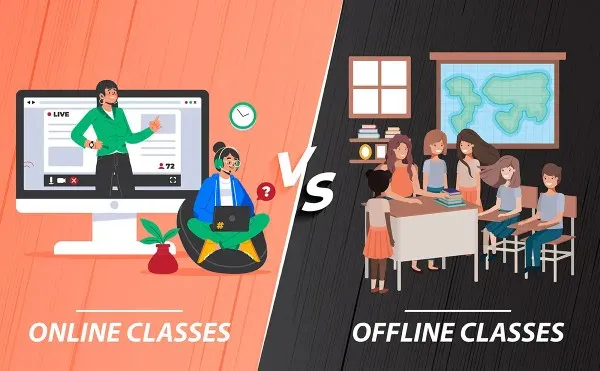
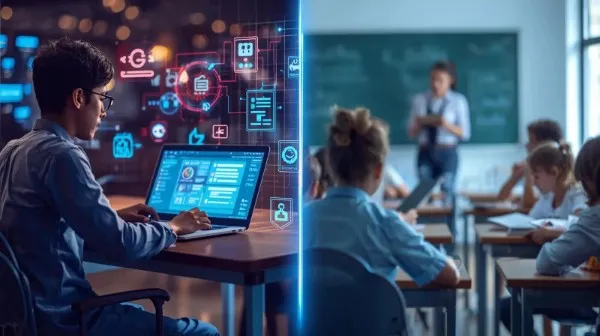
Online vs. offline learning is one of the most frequently discussed topics in the rapidly evolving field of education. Students can now choose between studying online and going to traditional classrooms because technology has made virtual classes more accessible. Comparing online and offline learning involves more than just where students study; it also involves how they communicate with teachers, manage their time, and acquire knowledge. Offline learning offers discipline, a structured environment, and face-to-face interaction, while online learning offers comfort, flexibility, and worldwide access. Knowing the differences between online and offline learning aids educators, parents, and students in selecting the approach that best suits their needs and circumstances.
It has been heard for years that “The beautiful thing about learning is that no one can take it away from you.” That’s a wonderful quote by B.B. King, Means that knowledge and education are permanent treasures. Unlike material possessions (money, gadgets, or property) that can be stolen, lost, or destroyed, the wisdom, skills, and understanding you gain through learning remain with you foreve.
No matter what circumstances you face—poverty, hardship, or change in environment—your knowledge stays yours. It empowers you, gives you independence, and can open doors to opportunities at any stage of life.Hence the importance of learning in life is not lesser than having food to servive.
What is Online Learning?

Online learning is a contemporary teaching approach in which students study using electronic devices, digital platforms, and the internet. Students use apps, websites, and learning management systems to complete assignments, watch lectures that have been recorded, or attend virtual classes in place of traditional classroom settings. Students can learn at their own pace and from any location thanks to online learning.
The accessibility of online learning is one of its main advantages. Without ever leaving their homes, students can connect with educators, professionals, and resources from around the globe. Additionally, it provides a vast array of courses covering everything from academic subjects to professional skills and hobbies. But there are drawbacks to online learning as well, like less in-person interaction, domestic distractions, and the requirement for self-control.
Features of Online Classes
Online classes have become an important part of modern education, offering flexibility and convenience for learners. Some of the main features of online classes include:
1.Virtual Learning Environment – Classes are conducted through apps, video conferencing tools, and learning platforms.
2.Flexibility in Time & Place – Students can attend lessons anytime and anywhere, making learning more accessible.
3.Recorded Lectures & Study Materials – Most online classes provide recorded sessions, e-books, and downloadable resources.
4.Interactive Tools – Features like live chat, quizzes, polls, and discussion forums make online classes engaging.
5.Personalized Learning – Students can learn at their own pace, repeat lessons, and choose courses based on their needs.
6.Global Accessibility – Learners can connect with teachers and experts from around the world.
7.Cost-Effectiveness – Many online classes are more affordable compared to traditional classrooms.
Advantages and Challenges of Online Learning
Due to its many benefits, both professionals and students favor online learning. Because of its flexibility, students can study whenever and wherever they want without being constrained by set class times. Additionally, it provides access to a vast array of courses, knowledgeable instructors, and international resources that may not be accessible locally. Additionally, online learning frequently lowers expenses for lodging, travel, and printed materials, which lowers the cost of education.
However, online learning also comes with challenges. Lack of face-to-face interaction can make students feel isolated and less motivated. Distractions at home and the need for strong self-discipline can affect focus and consistency. Technical issues such as poor internet connectivity or lack of devices can also limit learning opportunities. While online education is convenient, it requires students to be responsible, organized, and motivated to achieve the best results.
What is Offline Learning?

The conventional approach to education, known as offline learning, involves in-person interactions between teachers and students in a classroom setting. With this method, students adhere to a set schedule and attend classes, universities, or training facilities at predetermined times. Direct lectures, group projects, discussions, and hands-on training are all ways that learning takes place.
Personal interaction is one of offline learning’s greatest advantages. Students can participate in class discussions, ask questions right away, and develop their social and communication skills with teachers and peers. Additionally, it offers routine and discipline, which aids many students in maintaining consistency and focus in their studies.
However, offline learning can sometimes be less flexible since students must attend classes at a specific place and time. It may also involve higher costs for travel, books, and infrastructure. Still, offline learning remains a powerful and effective method of education, especially for those who benefit from direct guidance and a structured environment.
Features of Offline Learning
Offline learning has been the traditional form of education for centuries, offering face-to-face interaction and a structured classroom environment. Some of its key features include:
- Direct Teacher-Student Interaction – Students can ask questions immediately and get instant feedback from teachers.
- Structured Timetable – Classes are conducted at fixed times, which helps maintain discipline and routine.
- Classroom Environment – Physical presence in a classroom promotes focus, group learning, and better concentration.
- Social Interaction – Students engage with peers, participate in group activities, and develop teamwork and communication skills.
- Hands-On Learning – Practical subjects like science labs, sports, and arts are better experienced in offline learning.
- Limited Flexibility – Learners need to attend classes at a particular place and time.
- Use of Traditional Resources – Textbooks, blackboards, and printed study materials form the core of offline education.
Advantages and Challenges of Offline Learning
Even in the current digital era, offline learning is valuable due to its many benefits. Face-to-face interaction is the most advantageous because it allows students to speak with teachers directly, ask questions, and get prompt answers. Since students follow a set schedule and work in a structured environment, offline learning also helps students develop discipline. Peer social interaction enhances confidence, teamwork, and communication. Furthermore, practical sessions, sports, and lab experiments are examples of hands-on learning that works much better in an offline environment.
However, offline learning also has its challenges. It requires students to be physically present at a specific place and time, reducing flexibility for those with busy schedules. Travel and accommodation add extra costs and time, making education less accessible to some. Additionally, not all institutions provide equal quality in resources, teachers, or infrastructure. While offline learning offers structure and interaction, it may not suit everyone’s lifestyle or learning needs in a fast-changing world.
Online vs Offline Learning: Key Differences
When comparing online vs offline learning across key areas, clear differences emerge:
Flexibility and Convenience
One of the biggest differences in online vs offline learning is the flexibility and convenience each offers. Online learning allows students to study from anywhere and at any time, making it ideal for those with busy schedules or other commitments. Learners can pause, replay lessons, and manage their own pace, which is not possible in a traditional classroom.
In contrast, offline learning follows a fixed timetable with set class hours and location requirements. While this structure helps maintain discipline and routine, it limits flexibility compared to online options. By understanding the flexibility and convenience in online vs offline learning, students can choose the method that best fits their lifestyle and learning preferences.
Teacher-Student Interaction
The degree and caliber of teacher-student interaction is one of the most important factors when comparing online and offline learning. Direct, in-person interactions between teachers and students are advantageous in offline learning. They can participate in class discussions, ask questions right away, and get prompt feedback—all of which enhance comprehension and engagement.
On the other hand, virtual resources like chat rooms, discussion boards, and video calls are frequently used in online education. Although this enables students to communicate with teachers from a distance, the exchange may not feel as intimate and may not have the same immediate impact as face-to-face instruction.
When evaluating online vs offline learning, considering the quality of teacher-student interaction is important, as it significantly impacts learning outcomes, motivation, and overall educational experience.
Accessibility and Resources
Resources and accessibility are key considerations when comparing online and offline learning. Students can access a wide variety of digital resources through online learning, including tutorials, video lectures, e-books, and international courses. By allowing students to interact with peers and experts from around the globe, education becomes more flexible and inclusive.
Conversely, offline learning relies on tangible resources such as local libraries, textbooks, and classroom supplies. Access is restricted to what is available within the organization or community, even though this conventional method provides organized and trustworthy resources.
Students should evaluate accessibility and the availability of learning resources when deciding between online and offline learning because these aspects have a big impact on their ability to learn and meet their learning objectives.
Cost and Affordability
When comparing online vs offline learning, cost and affordability is a major consideration for many students. Online learning is often more budget-friendly since it eliminates expenses like commuting, accommodation, and physical study materials. Many courses also offer flexible pricing or free resources, making education accessible to a wider audience.
In contrast, offline learning can be more expensive due to costs associated with transportation, classroom infrastructure, and printed materials. While offline classes provide direct interaction and structured learning, the higher cost can be a limiting factor for some students.
Understanding cost and affordability in online vs offline learning helps learners make informed decisions based on their financial situation and educational priorities.
Learning Outcomes
The learning outcomes that each approach generates are among the most crucial factors when comparing online and offline learning. Self-discipline, independent study, and digital skills are encouraged by online learning, which helps students adjust to today’s technologically advanced environments. Additionally, it provides access to a large range of courses, practice exercises, and flexibility for repeated lessons—all of which can improve retention of information.
However, because students engage directly with their teachers and peers, offline learning frequently results in improved social, communication, and practical skills. Effective learning outcomes can be achieved through classroom discussions, practical exercises, and quick feedback.
Online vs Offline Learning: Which Works Better for Students?
The online vs. offline learning debate is more crucial than ever in the quickly evolving educational landscape of today. A number of variables, such as age groups, professional objectives, and individual preferences, influence the choice of learning approach. Offline learning, where set schedules and in-person interactions foster social and behavioral skills, may be more advantageous for younger students. Online learning, on the other hand, may be preferred by older students or professionals pursuing particular career goals due to its flexibility, global access, and self-paced study options.
Personal preferences also play a key role—some learners thrive in the interactive environment of traditional classrooms, while others excel when learning independently through digital platforms. Understanding the strengths and limitations of online vs offline learning can help students make informed decisions and choose the approach that best fits their unique needs and objectives.
Future of Education: Blended Learning Approach
A blended learning strategy, which combines the best features of online and offline learning, is becoming increasingly popular in the future of education. With this approach, students can benefit from the structured environment, direct interaction, and practical experiences of offline learning while still enjoying the flexibility, global access, and self-paced opportunities of online learning.
By integrating traditional classroom methods with digital skills, blended learning leverages the strengths of both online and offline learning, accommodating various learning preferences, promoting individualized instruction, and preparing students for modern careers. This blended approach is an effective solution to the evolving demands of education because it ensures that learners receive a well-rounded education by combining the advantages of online and offline learning with technology and in-person experiences.
conclusion
In conclusion, the debate of online vs offline learning shows that both methods have unique strengths and limitations. Online learning offers flexibility, global access, and self-paced study, while offline learning provides structured guidance, face-to-face interaction, and hands-on experiences. The effectiveness of either approach depends largely on the learner’s age, career goals, and personal preferences.
Choosing the right method for individual needs is crucial. Some students thrive in the interactive environment of offline classrooms, while others excel with the freedom and accessibility of online learning. Understanding these differences allows learners to make informed decisions, and in many cases, a blended learning approach that combines both methods may offer the most comprehensive educational experience.
Also Read: https://oasisstudy.space/india-us-relation-a-brief-exploration/
Also Read: https://bmcmededuc.biomedcentral.com/articles/10.1186/s12909-023-04549-x?utm_source=chatgpt.com







Leave a Reply