


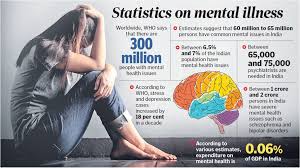
Preparing for the Civil Services Examination in India is often described as a journey rather than just an exam. It is not merely a test of knowledge but also a test of patience, consistency, and emotional endurance. Every year, lakhs of aspirants invest their prime years, energy, and hopes into this process, but only a small fraction make it to the final list. In this long and uncertain journey, UPSC and mental health are deeply connected, as emotional well-being becomes as crucial as academic preparation. The anxiety of competition, societal pressure, and fear of failure highlight the importance of focusing on UPSC and mental health together to ensure a balanced and sustainable approach to preparation.
At the same time, clearing the UPSC exam does not end psychological challenges; it brings new responsibilities, stress, and public expectations. This makes the connection between UPSC and mental health even more important. Nurturing UPSC and mental health both during preparation and after the declaration of results is essential to ensure not just success in the exam, but also a balanced and fulfilling life. Addressing UPSC and mental health helps aspirants overcome pressure, manage stress, and stay motivated throughout the journey. It is very crucial to maintain good mental health and focus on UPSC and mental health strategies to stay in a healthy position during this tough process.
1. During Preparation – Protecting Your Mind While Studying
The long journey of UPSC preparation demands not only academic dedication but also emotional resilience. Many aspirants face stress, isolation, and self-doubt, which can directly impact their performance. This is where the balance between UPSC and mental health becomes vital. Protecting your mind while studying involves setting realistic goals, taking regular breaks, practicing mindfulness, and maintaining social connections. By prioritizing UPSC and mental health during preparation, aspirants can improve focus, boost productivity, and sustain motivation throughout the rigorous study schedule.
a) Setting a Healthy Routine
- Fixed Study Hours, Not Endless Hours: Many aspirants burn out by studying 14–16 hours. It’s not sustainable. Instead, set a realistic target (8–10 focused hours) with proper breaks.
- Sleep is Non-Negotiable: Cutting sleep to study more is a trap. 6–8 hours of quality sleep is crucial for memory, emotional balance, and decision-making.
(b) Handling Stress & Pressure
- Acknowledge Pressure: UPSC prep is competitive, so anxiety is normal. Don’t try to suppress it — instead, give it an outlet (journaling, talking to peers, light exercise).
- Mindfulness Practices: Meditation, pranayama, or even a 10-minute silent walk can reset your brain.
- Avoid Over-comparison: Coaching groups, telegram discussions, and topper stories can make you feel “I’m behind.” Use them for learning, not self-criticism.
(c) Building Emotional Support
- Family & Friends: Don’t isolate yourself completely. A weekly check-in with loved ones gives perspective.
- Study Groups: Small groups (2–3 serious aspirants) help keep motivation alive, but avoid large toxic circles that breed negativity.
(d) Hobbies & Micro-Joy
- Keep 30–60 minutes daily for music, walking, drawing, or even a sitcom episode. This isn’t “wasting time,” it’s mental oxygen.
2. After the Exam – While Awaiting Results
The waiting period after the UPSC exam can be just as stressful as the preparation itself, as uncertainty and overthinking often affect aspirants’ peace of mind. During this phase, the connection between UPSC and mental health becomes even more evident. Many candidates struggle with anxiety about their performance, fear of failure, and societal expectations.
To maintain balance, it is important to focus on relaxation, pursue hobbies, and engage in positive activities instead of constantly revisiting exam memories. By nurturing UPSC and mental health while awaiting results, aspirants can build resilience, reduce stress, and prepare themselves mentally for both success and setbacks.
This is an emotionally fragile phase. You’ve worked hard, but results are uncertain.
- Detach After Writing: Once the exam is over, you cannot control outcomes. Obsessing over answer keys or cut-offs only increases stress.
- Skill Development: Use the waiting time to build a backup skill (writing, digital tools, or short online courses). This gives you confidence that life isn’t dependent only on UPSC.
- Physical Fitness: A brisk walk or yoga daily keeps the body active and mind calmer.
3.After Results – Two Pathways
Clearing the UPSC exam is a moment of immense pride, but it also marks the beginning of new challenges filled with responsibility, pressure, and public expectations. At this stage, the balance between UPSC and mental health becomes more critical than ever. Successful candidates often face high workloads, frequent transfers, and the constant demand to perform under scrutiny.
Managing UPSC and mental health during this phase involves building emotional strength, practicing stress management, and seeking support systems to maintain well-being. By giving equal importance to UPSC and mental health, officers can ensure long-term career satisfaction and a fulfilling personal life alongside professional success.
(a) If You Clear
- Celebrate, But Stay Grounded: Success brings joy but also sudden expectations from family and society. Stay humble, focus on training, and don’t let over-confidence creep in.
- Transition Stress: Civil services bring new pressures — transfers, public scrutiny, workload. Continue mental health practices (exercise, mindfulness) because stress doesn’t vanish, it just changes form.
- Peer Connection: Keep in touch with aspirant friends who didn’t clear. It keeps you empathetic and grounded.
(b) If You Don’t Clear
Not clearing the UPSC exam can be deeply disappointing, but it does not define one’s abilities or future potential. This is the time when the link between UPSC and mental health becomes most sensitive, as feelings of failure, self-doubt, and societal pressure may overwhelm aspirants.
Managing UPSC and mental health after an unsuccessful attempt requires self-compassion, acceptance, and a willingness to explore new opportunities. Many aspirants find success in future attempts or in alternate career paths by staying resilient and protecting their mental well-being. Remember, focusing on UPSC and mental health ensures that setbacks become stepping stones rather than permanent barriers.
This is the real test of resilience.
- Allow Yourself to Grieve: Feeling upset, angry, or lost is natural. Don’t suppress it — take a week to process emotions.
- Re-Evaluate, Don’t Self-Blame: Failure doesn’t mean lack of intelligence; sometimes it’s strategy, optional choice, or even luck. Sit with mentors to analyze mistakes.
- Plan the Next Step: Decide clearly — Will you give another attempt? Or explore career alternatives? Ambiguity causes mental unrest; clarity reduces stress.
- Identity Beyond UPSC: Remind yourself: you are not just an “aspirant.” Your worth isn’t tied only to one exam. Explore career options (academics, private sector, NGOs, policy think-tanks).
- Professional Help if Needed: If anxiety or depression becomes overwhelming, seeking a counselor/therapist is absolutely okay. It shows strength, not weakness.
4. Long-Term Perspective
Looking at the UPSC journey with a long-term perspective helps aspirants maintain balance and clarity beyond short-term successes or setbacks. The relationship between UPSC and mental health is not limited to exam preparation or results—it extends into personal growth, resilience, and the ability to handle challenges in life. By prioritizing UPSC and mental health, candidates can build sustainable habits, develop emotional stability, and embrace failures as learning experiences. A long-term view ensures that even if the exam takes multiple attempts or leads to alternative career paths, aspirants emerge stronger, healthier, and more confident individuals.
- Balanced Identity: Whether you clear or not, don’t let “UPSC aspirant” define your entire identity. You are also someone’s child, friend, artist, learner.
- Life Skills Over Exam Skills: Time management, discipline, knowledge — all developed during UPSC prep — are assets in any career or personal journey.
- Resilience is the Real Success: Clearing UPSC is success, yes. But learning to handle uncertainty, pressure, and failure gracefully — that’s lifelong success.
✅ In short:
During prep, protect your daily mental balance. After the exam, detach and build resilience. After results, celebrate with humility if you succeed, and if not, take time to grieve but then re-plan with clarity. Either way, your worth and life are far bigger than one exam.
The UPSC journey is a test of knowledge, patience, and inner strength. At every stage—whether during preparation, while awaiting results, or after the outcome—the link between UPSC and mental health cannot be ignored. Challenges like stress, anxiety, and pressure are natural, but they should never overshadow an aspirant’s determination and dreams. By valuing UPSC and mental health equally, candidates can approach this exam with resilience, positivity, and balance. Even setbacks become opportunities for growth, while success becomes more meaningful when mental well-being is preserved. In the end, true achievement lies not only in clearing the exam but also in building a strong, confident, and healthy self for the future.
Also Read : https://oasisstudy.space/india-us-relation-a-brief-exploration/
Also Read on UPSC : https://www.talktoangel.com/blog/mental-health-challenges-faced-by-upsc-aspirants?utm_source=chatgpt.com







Leave a Reply