

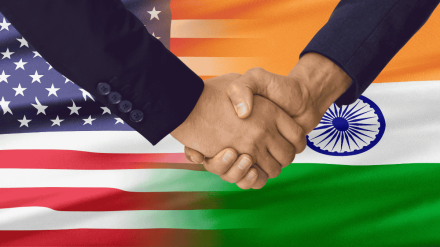
The India-US Relation is one of the most important bilateral alliances of the twenty-first century, built on shared democratic values, mutual economic interests, and common strategic goals. Over the decades, the India-US Relation has evolved from Cold War estrangement to a comprehensive global strategic partnership. Today, the India-US Relation spans politics, defense, trade, technology, education, and culture, making it a cornerstone of international cooperation and global stability.
The India-US Relation is deep and dynamic, reflected in the $212 billion bilateral trade in 2024, the U.S. recognition of India as a Major Defense Partner, and the presence of more than 250,000 Indian students in American universities. The India-US Relation is not only vital for both nations but also plays a pivotal role in ensuring peace, security, and prosperity across the Indo-Pacific region. In today’s rapidly changing world order, the strength of the India-US Relation highlights its significance as a cornerstone of global stability and cooperation.
Here, we will have a look on different dimensions on INDIA-US relation.
1. Economic & Trade Dimension
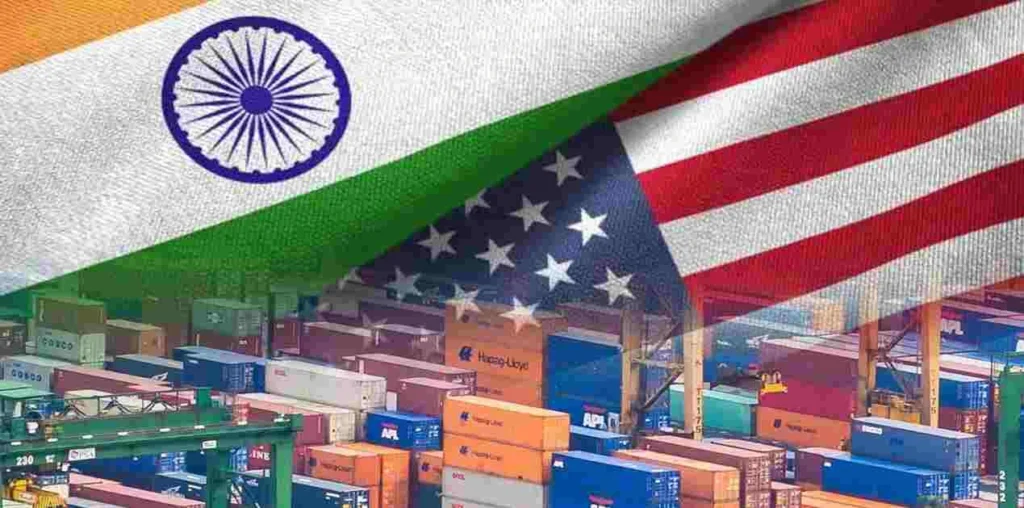
The India-US relation in the economic and trade dimension has grown rapidly, with bilateral trade reaching record highs across goods, services, and technology. This partnership has boosted India’s IT exports, attracted U.S. investments, and created opportunities in energy, healthcare, and manufacturing. The India-US relation also enhances India’s global presence and supports innovation-driven growth.
- Bilateral Trade: In 2024, goods and services trade between India and the United States reached $212.3 billion, underscoring their economic significance.
- Key Investments: Indian-origin professionals and U.S. investments fuel tech and digital economies on both sides.
Critique and Loss for India:
Despite its benefits, the India-US relation in trade is not without challenges. India faces a widening trade deficit with the U.S., making its economy more vulnerable. Strict U.S. standards and protectionist policies often limit India’s agricultural and labor-intensive exports. Moreover, heavy dependence on American technology and capital can create long-term dependency, reducing India’s bargaining power. Thus, while the India-US relation strengthens economic ties, it also poses risks of unequal benefits and trade imbalances for India.
2. Defense & Strategic Dimension

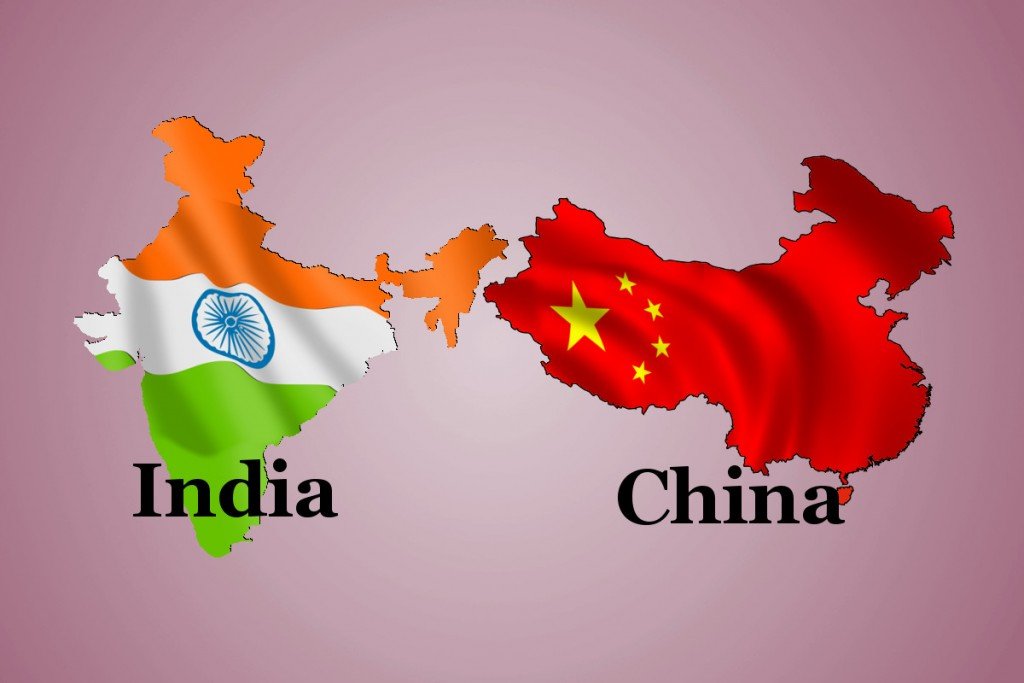
The India-US relation in defense and strategy has become a cornerstone of global security. The U.S. designation of India as a “Major Defense Partner” has deepened cooperation in arms sales, joint military exercises, counterterrorism, and intelligence sharing. Through initiatives like the Quad and Indo-Pacific strategy, the India-US relation strengthens India’s role as a key player in regional security while balancing China’s growing influence. Advanced defense technology transfers and collaborations also enhance India’s military capabilities and modernization efforts.
- Major Defense Partner: India was officially designated as a “Major Defense Partner” by the U.S. in 2016—an acknowledgment of deepening security ties.
- Key Agreements:
- LEMOA, signed on 29 August 2016, facilitates mutual logistics support.
- COMCASA was signed in September 2018, enabling secure communications for advanced platforms.
- BECA, focusing on geospatial intelligence sharing, was agreed upon in 2020.
Critique and Loss for India:
While the India-US relation in defense offers clear strategic advantages, it also brings challenges. Heavy reliance on U.S. defense equipment risks reducing India’s strategic autonomy and making its policies more aligned with American interests. Costly defense imports widen India’s expenditure without guaranteeing technology independence. Moreover, closer military ties with the U.S. may strain India’s traditional partnerships with Russia and other nations, limiting its flexibility in foreign policy. Thus, the India-US relation, though vital for defense, can also create vulnerabilities and long-term dependencies for India.
3. Science, Technology & Critical Technologies
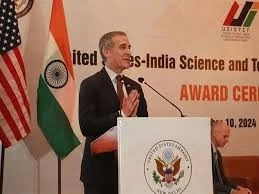
The India-US relation has expanded significantly in the field of science, technology, and critical technologies. Both nations collaborate on space exploration, artificial intelligence, quantum computing, 5G, and clean energy, creating pathways for innovation and shared growth. Programs like the U.S.-India Initiative on Critical and Emerging Technology (iCET) highlight how the India-US relation fosters research partnerships, start-up ecosystems, and technology transfers that strengthen India’s global competitiveness. This cooperation helps India access advanced knowledge and align with global technological standards
- iCET (Initiative on Critical and Emerging Technologies) launched in January 2023, aiming to boost co-development in AI, semiconductors, robotics, and more.
- Micron Investment: Micron announced a $2.75 billion semiconductor assembly and test facility in Gujarat in 2023, emphasizing India’s growing role in global tech supply chains.
- GE F414 Engine Co-Production: Part of an expanded next-gen defense partnership, announced during a state visit, focusing on engineering collaboration.
Critique and Loss for India:
Despite these gains, the India-US relation in critical technologies presents concerns. India often remains a technology consumer rather than a creator, depending heavily on U.S. innovations and patents. Restrictions on sensitive technologies and stringent intellectual property rights limit India’s freedom to develop independent solutions. Moreover, over-reliance on U.S. firms could hinder the growth of India’s domestic technology ecosystem and widen the digital divide. Thus, while the India-US relation boosts scientific collaboration, it also risks creating dependency and slowing India’s path to true technological self-reliance.
4. Education & Human Capital
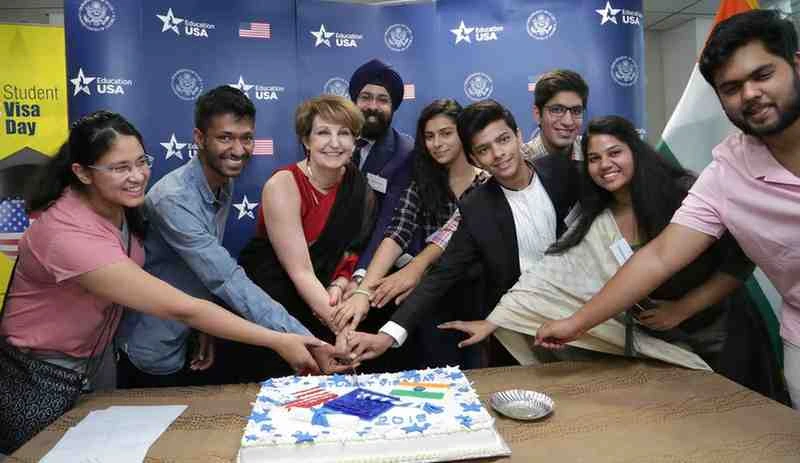
The India-US relation has flourished in the field of education and human capital, with the U.S. being the top destination for Indian students pursuing higher studies. Over 250,000 Indian students are enrolled in American universities, contributing to research, innovation, and the global workforce. Academic exchanges, scholarships, and collaborative programs in STEM, management, and liberal arts strengthen the India-US relation, while also enhancing India’s pool of skilled professionals. This exchange builds cultural understanding and helps India’s youth gain global exposure, preparing them for leadership in diverse fields.
Critique and Loss for India:
Despite these advantages, the India-US relation in education poses challenges. India suffers from a significant brain drain as many talented students settle in the U.S. instead of returning, depriving India of skilled professionals who could drive domestic growth. High tuition fees and visa restrictions also limit opportunities for many Indian students. Furthermore, dependence on U.S. education risks undervaluing India’s own academic institutions and slowing reforms in its higher education system. Thus, while the India-US relation in education enriches human capital, it also creates imbalances and long-term losses for India’s talent pool.
5. Diaspora & Socio-Cultural
The India-US relation is deeply strengthened by the vibrant Indian diaspora in the United States, numbering over 4 million. This community serves as a cultural bridge, fostering goodwill, political influence, and economic ties between the two nations. Indian-Americans have excelled in fields like technology, healthcare, academia, and public service, contributing significantly to the U.S. economy while maintaining cultural connections with India. Through festivals, cultural exchanges, and media, the India-US relation benefits from greater mutual understanding and a shared appreciation of diversity.
- Indian Diaspora: The Indian-origin population in the U.S. remains one of the largest immigrant groups, exerting significant cultural, academic, and political influence. Data by Pew Research supports this.
Critique and Loss for India:
However, the India-US relation in the socio-cultural dimension also brings challenges. The migration of highly skilled professionals to the U.S. has led to brain drain, depriving India of talent in critical sectors like medicine, research, and technology. Over time, assimilation into American society may weaken cultural ties for younger generations, reducing their engagement with India. Additionally, India’s reliance on diaspora lobbying for political influence in Washington may create vulnerabilities if community priorities diverge from India’s national interests. Thus, while the India-US relation benefits from a strong diaspora presence, it also results in cultural dilution and talent loss for India.
6. Science, Space & Innovation
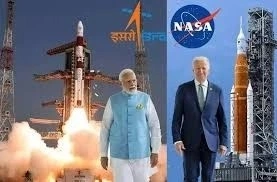
The India-US relation has advanced remarkably in science, space, and innovation, fostering collaboration in cutting-edge fields like satellite technology, space exploration, renewable energy, artificial intelligence, and biotechnology. Joint projects between ISRO and NASA, along with research partnerships in clean energy and digital innovation, showcase how the India-US relation promotes technological growth and shared global leadership. This cooperation provides India access to advanced expertise, accelerates innovation, and enhances its global scientific standing.
- NASA–ISRO Collaboration: Projects like the NISAR satellite continue to define bilateral cooperation in space science, demonstrating deep trust and scientific alignment. While search results on launch timing were pending, this partnership remains emblematic.
Critique and Loss for India:
Despite these achievements, the India-US relation in science and space presents certain drawbacks. India often remains dependent on U.S. technology, which can restrict its path to self-reliance. Many critical innovations are protected under stringent intellectual property rights, limiting India’s ability to develop indigenous alternatives. Moreover, unequal access to high-end research opportunities and brain drain of top Indian scientists to the U.S. can weaken India’s domestic scientific base. Thus, while the India-US relation drives innovation and progress, it also risks creating dependency and slowing India’s journey toward technological sovereignty.
7. Energy, Climate & Nuclear
The India-US relation has expanded into energy security, climate cooperation, and nuclear partnerships, marking a crucial dimension of their strategic engagement. Both nations collaborate on clean energy transitions, renewable technologies, and climate resilience under initiatives like the U.S.-India Strategic Clean Energy Partnership. The civil nuclear agreement further symbolizes trust, allowing India access to nuclear fuel and advanced technology for peaceful energy use. By aligning on climate goals and sustainable energy development, the India-US relation contributes to reducing carbon emissions and promoting global energy stability.
- India-U.S. Clean Energy Partnership: Multiple joint initiatives—especially around solar and climate tech—reflect growing synergy. While specifics were pending, these are a steady part of the strategic partnership.
- Civil Nuclear Cooperation: Building on the 2005 “123 Agreement,” atomic energy collaboration continues to underpin shared energy goals.
Critique and Loss for India:
Despite these advancements, the India-US relation in energy and climate has its challenges. India faces restrictions on nuclear technology transfers due to U.S. regulatory frameworks, limiting the full potential of cooperation. The emphasis on importing costly American clean energy equipment and technology can increase India’s financial burden, creating dependency on U.S. firms. Moreover, climate-related pressures from the U.S. sometimes conflict with India’s developmental priorities, forcing difficult trade-offs between sustainability and growth. Thus, while the India-US relation drives energy and climate collaboration, it also exposes India to economic costs, technological dependence, and policy constraints.
8. Geopolitics & Multilateral Engagement
The India-US relation plays a decisive role in shaping geopolitics and multilateral engagement at the global stage. Through forums like the Quad, G20, and United Nations, both nations coordinate on issues of regional security, maritime freedom, counterterrorism, and global governance reforms. The India-US relation strengthens India’s strategic position in the Indo-Pacific while counterbalancing China’s growing influence. By aligning on democratic values and shared strategic goals, this partnership enables India to amplify its voice in international institutions and advance its global leadership aspirations.
Critique and Loss for India:
However, the India-US relation in geopolitics carries risks for India’s strategic autonomy. Excessive alignment with U.S. positions may limit India’s flexibility in engaging with Russia, Iran, or other partners critical for its energy and security needs. Participation in U.S.-led groupings can sometimes drag India into conflicts or strategic rivalries that do not directly serve its interests. Moreover, over-reliance on U.S. support in multilateral platforms could weaken India’s independent identity as a leader of the Global South. Thus, while the India-US relation elevates India’s geopolitical clout, it also creates vulnerabilities and constraints in its foreign policy choices.
Summary Table:
| Dimension | Key Data & Sources |
|---|---|
| Trade | $212 billion bilateral trade (2024) |
| Defense & Strategy | Major Defense Partner (2016); Agreements: LEMOA ’16, COMCASA ’18, BECA ’20 |
| Tech & Innovation | iCET (2023); Micron $2.75B plant; GE F414 engine co-production |
| Education | ~250,000 Indian students in U.S. (2023) |
| Diaspora & Culture | Large Indian-origin population influencing U.S. cultural-political spheres |
| Space & Science | NASA–ISRO collaboration ongoing |
| Energy & Climate | Clean energy and nuclear cooperation continues |
| Geopolitics | U.S. support for India’s UNSC bid; regional cooperation via QUAD |
Also Read : https://oasisstudy.space/the-psychological-effects-of-using-mobile-phones-and-gadgets/
Also Read : https://in.usembassy.gov/our-relationship/?utm_source=chatgpt.com





Leave a Reply