

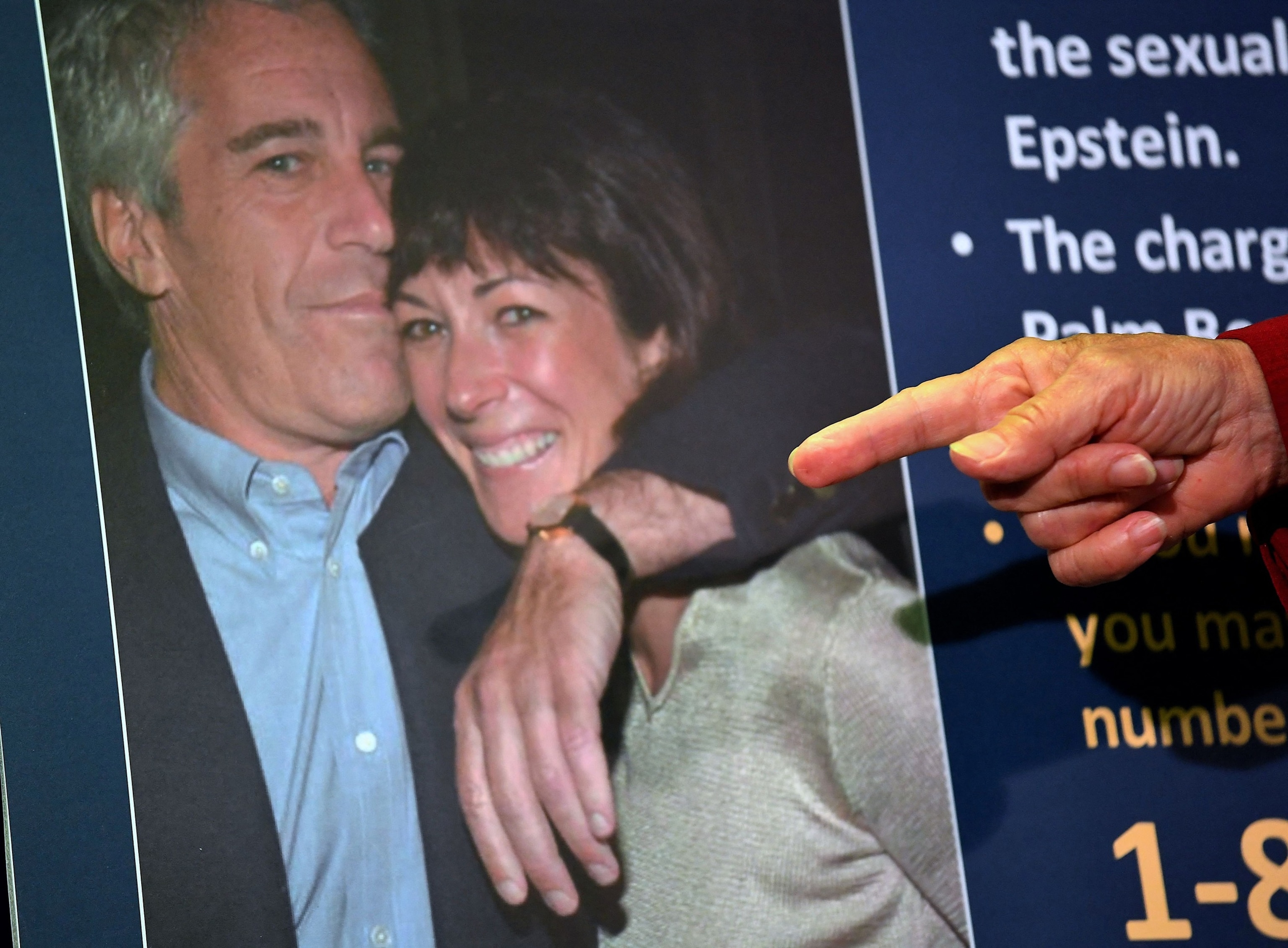
The term Epstein file has come to represent much more than a collection of court documents. It has become shorthand for a deeper crisis – one that highlights how money, political access and institutional silence can allow serious crimes to continue unchecked for years. What makes the Epstein case uniquely troubling is not only the scale of the abuse, but also the number of moments when intervention was possible and yet deliberately avoided.
Jeffrey Epstein did not operate in secrecy. He operated with a clear vision, surrounded by legitimacy, protected by prestige, and protected by a system that repeatedly chose convenience over justice. The Epstein File forces us to confront uncomfortable questions about how modern electricity really works.
Understanding the Epstein File
Jeffrey Epstein did not operate in secrecy. He operated with a clear vision, surrounded by legality, protected by prestige, and protected by a system that repeatedly chose convenience over justice. The Epstein file forces us to confront uncomfortable questions about how modern electricity really works.
.
The Making of Jeffrey Epstein
Jeffrey Epstein’s background provides important insight into how power can be wielded without transparency. Born in Brooklyn in 1953, Epstein did not inherit wealth or status. They entered elite positions through proximity rather than lineage, first as teachers in an exclusive private school that provided education to the children of influential families.
From there, he moved into the finance sector, offering himself as a private wealth manager for ultra-wealthy clients. Yet even today, investigators and journalists struggle to trace the source of his fortune. His wealth appeared to be genuine, but its sources remained largely unknown. This financial obscurity was never seriously challenged, partly because the world Epstein entered rewarded confidence and discretion rather than verification.
Legitimacy as a Shield
Epstein’s greatest asset was not just money; This was legality. He acquired luxury properties in New York, Florida, New Mexico, the US Virgin Islands and Europe. They donated to universities, funded research, and developed relationships in politics, academia, and global institutions.
This strategy served a clear purpose. In elite society, union often takes the place of accountability. When powerful people are seen around someone, doubt vanishes. Epstein’s social circle served as a kind of shield, discouraging investigations from journalists, law enforcement, and even potential whistleblowers.
The Epstein file shows again and again how this legalism works in practice. Complaints reduced. Suspicion fell on the victims. Investigations stopped.
The Abuse Behind the Image
While Epstein’s public persona suggests sophistication and influence, survivor testimony describes something entirely different. According to court records, Epstein recruited underage girls — who were often from economically disadvantaged backgrounds — by offering money for massages. What happened next, as recorded in several statements, was grooming, coercion and sexual exploitation. This was not accidental misconduct.
It was structured. Victims were paid, abused, and sometimes encouraged to recruit others. Such patterns are consistent with internationally recognized definitions of sex trafficking. The Epstein file shows that this system operated for years based on money, fear and silence.
Silencing the Victims
One of the most devastating aspects revealed in the Epstein file is how effectively the victims were silenced. Cash payments, legal threats, and non-disclosure agreements were used to ensure that the stories never reached the courtroom or the headlines.
Many victims were young, lacked resources, and faced powerful legal teams. Speaking out meant risking character assassination, financial ruin or social isolation. In such situations, silence is not consent – it is survival.
ALSO READ : https://oasisstudy.space/the-psychological-effects-of-gadgets/
The 2008 Plea Deal: A Collapse of Justice
The 2008 plea agreement remains the most egregious institutional failure in the Epstein case. Despite evidence linking him to dozens of minors, Epstein avoided federal prosecution and pleaded guilty to minor state charges in Florida. The sentence was exceptionally lenient: thirteen months’ detention with extensive work-release privileges.
Later, courts ruled that the deal violated the Crime Victims’ Rights Act because survivors were not informed or consulted. The Epstein file considers this moment significant because it shows how the justice system can bend under pressure when the accused is wealthy and well-connected. This was not a legal technicality. It was a signal—one that told victims that their suffering could be compromised.
Why Epstein Was Protected
Protection doesn’t always look like conspiracy. Often, it looks like hesitation. The Epstein file reveals how economic power enabled elite legal representation, private settlements, and procedural delays. Political and institutional reach created reluctance—no agency wanted to pursue a case that could implicate influential networks.
It is important to clarify that the presence of Epstein-related documents does not equate to a criminal offense. However, the files show that Epstein’s associations discouraged an aggressive investigation. Institutions weighed reputational risk against accountability—and accountability was lost.
What the Unsealed Epstein File Actually Reveals
Recent attention to the Epstein file stems from unsealed civil court records involving lawsuits filed by survivors. These documents include testimony, correspondence, and references from individuals who crossed Epstein’s path. The files do not provide universal conclusions.
They provide context. They show how Epstein moved freely across borders, how his actions were widely known in some circles, and how long it took for authorities to act decisively. Perhaps the most troubling aspect is how common the warnings appear in retrospect. The signs were there. The system simply decided not to see them.
Epstein’s Death and the End of Legal Closure
In 2019, Epstein was arrested again, this time on federal sex-trafficking charges. For the first time, full testing seemed possible. That possibility ended when Epstein was found dead in his jail cell.
The official verdict was suicide, yet failures in prison protocol—malfunctioning cameras, negligent guards, and procedural lapses—ensured lasting suspicion. Regardless of the explanation, the effect was clear. Epstein’s death ended criminal proceedings and denied survivors the chance to face him in court. Justice was not only delayed. It was extinguished.
The Epstein File as a Case Study in Power
The Epstein file should not be read as an anomaly. It is a case study of how power operates in modern societies. Wealth creates buffers. The situation discourages investigation. Institutions prioritize stability over truth. Victims are told to wait, prove and endure.
Epstein expertly exploited these realities. He did not invent the system. He understood it.
Why the Epstein File Still Matters
This case continues to resonate because it challenges comfortable myths about equality before the law. This shows that justice is not just about laws, but also who institutions are willing to challenge.
The Epstein file reminds us that abuse thrives not only because of the perpetrators, but also because of silence, complicity and fear. This emphasizes how many similar cases never reach the public’s attention.
Conclusion: What the Epstein File Ultimately Tells Us
The Epstein file does not confirm every rumor, nor does it provide clear ethical conclusions. What it offers is something even more disturbing: documentation of how abuse can persist for decades when power goes unquestioned.
Jeffrey Epstein is gone, but the structures that protect him remain intact. If the Epstein file teaches us anything, it is that justice is not self-executing. This requires courage – from institutions, from society, and from those who are willing to listen to victims before it is too late.
Until that lesson is fully internalized, the Epstein file will remain less a historical record and more a warning.
ALSO READ : https://www.justice.gov/epstein?utm_source=chatgpt.com






Leave a Reply