


Since the beginning of modern era, we have been witnessing life changing inventions in the world of human beings. These changes are due to technology , gadgets etc.
In the modern digital world, gadgets such as smartphones, tablets, and laptops have taken center stage in our daily lives. We use these devices extensively for work, education, communication, and entertainment. While they provide amazing connectivity and convenience, the psychological effects of gadgets on mental health are both complex and significant. From improved access to knowledge to rising concerns like stress, anxiety, and sleep disorders, the psychological effects of gadgets shape how we think, feel, and behave. In this post, we will explore the positive and negative psychological effects of gadgets in detail to understand their true impact on our well-being.
🔍 The Positive Psychological Effects
1. Immediate social support and connectivity
One of the positive psychological effects of gadgets is the ability to provide immediate social support and connectivity. Smartphones and digital devices allow people to stay in touch with friends, family, and communities regardless of distance. This instant connection reduces feelings of isolation, offers emotional comfort, and strengthens relationships. Whether through messaging apps, video calls, or social media, the psychological effects of gadgets in fostering belonging and quick support networks are significant, especially in times of stress or crisis.
How it helps: Keeping in touch with friends, family, and support networks is made simpler by mobile phones.
Benefit to the mind: This can lessen feelings of isolation and offer emotional support, particularly in trying times.
For instance, making video calls to loved ones can improve your mood and reduce stress.
2. Obtaining Mental Health Resources
Another positive aspect of the psychological effects of gadgets is the easy access they provide to mental health resources. Through smartphones, tablets, and other devices, individuals can connect with therapists, access counseling apps, and explore online support groups. These digital tools make mental health services more accessible and affordable, especially for those in remote areas. The psychological effects of gadgets in this context are largely beneficial, as they encourage early intervention, promote awareness, and help people seek timely support for their emotional well-being.
How it helps: Online platforms and apps are available for emotional self-care, mood monitoring, meditation, and therapy.
Psychological benefit: These resources lessen stigma and increase access to mental health care.
3. Stimulation of the Mind
Among the noteworthy psychological effects of gadgets is their role in stimulating the human mind. Gadgets like smartphones, tablets, and laptops provide constant exposure to new information, interactive content, and problem-solving activities that keep the brain engaged. Educational apps, online courses, and digital games challenge memory, attention, and critical thinking, which can enhance cognitive development. However, the psychological effects of gadgets also include overstimulation if usage is excessive, leading to distraction or reduced focus. Striking the right balance ensures that gadgets act as tools for intellectual growth rather than sources of mental fatigue.
How it helps: Games, puzzles, and educational apps improve concentration, memory, and problem-solving skills.
Psychological benefit: This can keep the mind active and encourage brain engagement, particularly in older adults.
4. Motivation & Productivity
One of the positive psychological effects of gadgets is their ability to boost motivation and productivity when used wisely. Gadgets provide access to productivity apps, digital planners, and motivational tools that help individuals set goals, track progress, and stay organized. Students and professionals can use reminders, study apps, and focus timers to maintain discipline and efficiency. At the same time, the psychological effects of gadgets can turn negative if overuse leads to procrastination or dependency. With mindful use, however, gadgets serve as powerful aids for achieving personal and professional success.
How it helps: Reminder apps, calendars, task managers, and habit trackers all aid in keeping users organized.
Benefit to the mind: A feeling of achievement can lower anxiety and increase self-esteem.
⚠️ The Adverse Psychological Impacts
1. Addiction to Digital Devices
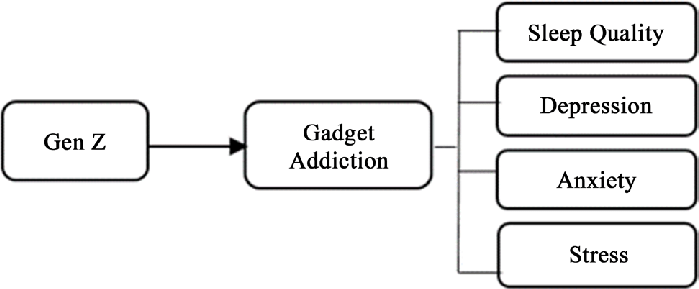
How it hurts: Playing games, doomscrolling, or constantly checking phones can become compulsive.
Psychological effect: Causes symptoms similar to addiction, a decreased attention span, and anxiety when disconnected (nomophobia).
2. Disruption of Sleep
How it hurts: Screen blue light disrupts the synthesis of melatonin.
Psychological impact: Inadequate sleep is linked to depression, irritability, and poor decision-making.
3. Depression and Anxiety
The negative effects of excessive social media use include cyberbullying, FOMO (fear of missing out), and comparison.
Psychological effect: These may lead to anxiety, depression symptoms, and low self-esteem.
4. Reduced Attention and Focus
How it harms: Frequent notifications and multitasking train the brain to stay in a distracted state.
Psychological effect: Difficulty in concentrating on single tasks, which can impact productivity and mental clarity.
5. Isolation Despite Connection
How it harms: While people are digitally connected, face-to-face interactions are decreasing.
Psychological effect: This paradox can lead to emotional detachment, loneliness, and lack of genuine relationships.
6. Impaired Emotional Regulation
How it harms: Using gadgets as an emotional crutch (e.g., scrolling to avoid emotions) stunts emotional growth.
Psychological effect: Inability to process emotions in a healthy way.
📊 Table: Psychological Effects of Mobile Phones and Gadgets
| Type | Effect | Description | Psychological Impact |
|---|---|---|---|
| ✅ Positive | Connectivity & Social Support | Easy communication with friends, family, and communities. | Reduces loneliness and boosts emotional well-being. |
| ✅ Positive | Access to Mental Health Resources | Therapy apps, mindfulness tools, and online counseling. | Improves mental health awareness and self-care. |
| ✅ Positive | Cognitive Stimulation | Educational apps, puzzles, and brain-training games. | Enhances memory, focus, and cognitive function. |
| ✅ Positive | Productivity & Motivation | Task planners, reminders, and habit trackers. | Increases organization, focus, and self-esteem. |
| ⚠️ Negative | Digital Addiction | Compulsive checking, gaming, and scrolling. | Causes anxiety, poor focus, and withdrawal symptoms. |
| ⚠️ Negative | Sleep Disruption | Exposure to blue light before bedtime. | Poor sleep quality, fatigue, and mood disorders. |
| ⚠️ Negative | Anxiety & Depression | Social media overuse, comparison, and cyberbullying. | Leads to low self-esteem, anxiety, and depressive symptoms. |
| ⚠️ Negative | Reduced Focus & Attention | Multitasking and constant notifications. | Impairs concentration and memory retention. |
| ⚠️ Negative | Emotional Disconnection | Preference for online interaction over real-world relationships. | Increases feelings of isolation and loneliness. |
| ⚠️ Negative | Emotional Avoidance | Using gadgets to escape boredom or negative emotions. | Prevents emotional regulation and healthy coping. |
✅ How to Maintain a Healthy Balance
- Set screen time limits using digital wellbeing apps.
- Turn off non-essential notifications.
- Practice digital detox—set aside time away from screens.
- Use gadgets intentionally (e.g., for learning, not distraction).
- Engage in offline hobbies and physical activity.
- Prioritize sleep hygiene—no screens an hour before bed.
Gadgets and cell phones are useful tools. When used properly, they can improve our mental and physical well-being. However, they can cause emotional, psychological, and cognitive harm if used excessively or unintentionally.
Balance is essential in most aspects of life. Awareness and intentional use of technology are essential steps toward protecting our psychological well-being in the digital age.
Also Read : https://oasisstudy.space/upsc-and-mental-health-guide/
Also Read on psyhological effects : https://pmc.ncbi.nlm.nih.gov/articles/PMC8465704/?utm_source=chatgpt.com






Leave a Reply